
How to sell your house
What buyers in these ten counties will actually pay, what to fix before listing, and what to leave alone.
Pricing is the whole game
How to sell your house in southeast Georgia comes down to one decision made before the sign goes up: the opening price. This guide walks through every step from first call to closing, across the ten counties The Day Group works, from Hinesville and Jesup to Douglas, Vidalia and Fitzgerald.
Almost every problem in a slow sale traces back to that opening price. A house priced correctly draws its best offers in the first two or three weeks, while it is new and everyone waiting on the market is looking at it. A house priced above what the comparables support burns through that window, then sits. A house that has sat gets treated as damaged goods, regardless of why.
Reducing later rarely recovers it. The buyers who would have paid full price in week one have moved on, and the ones left are watching for further cuts. If you want to know where your price should start, get a valuation first.
She had our listing up in a matter of days, and we had an offer in a week.
The Wernecke Family, Dublin, GA
How to sell your house, first call to closing
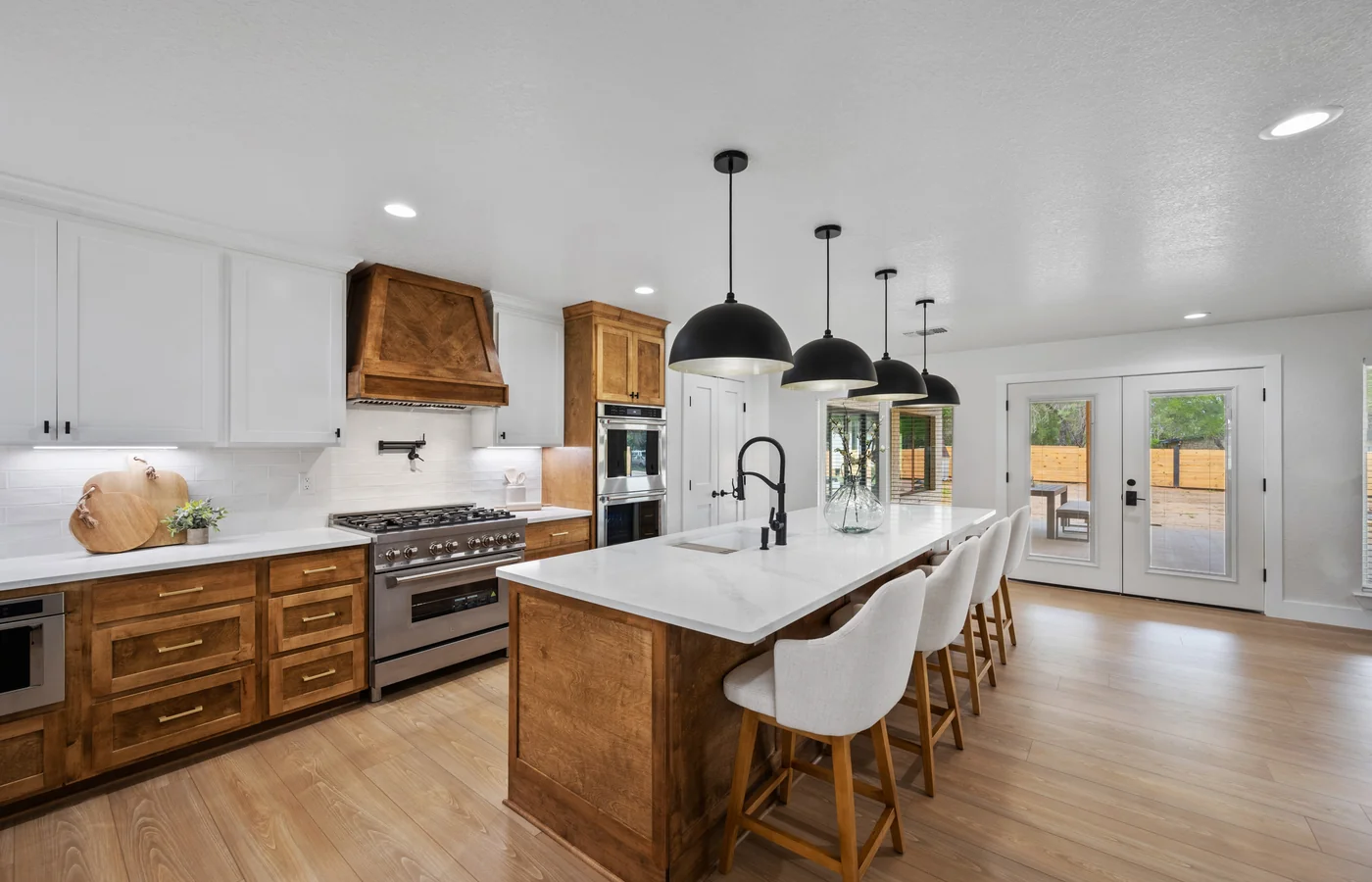
Walk the house
Alicia walks it with you room by room, then prices it from recent comparable sales nearby, not from an online estimate. Those estimates struggle here because small-town and rural sales are sparse. You get a realistic range, the comparables behind it, and an honest list of what a buyer’s inspector is likely to find. Knowing how to sell your house starts with knowing what it is honestly worth.
Ask Alicia to walk your house
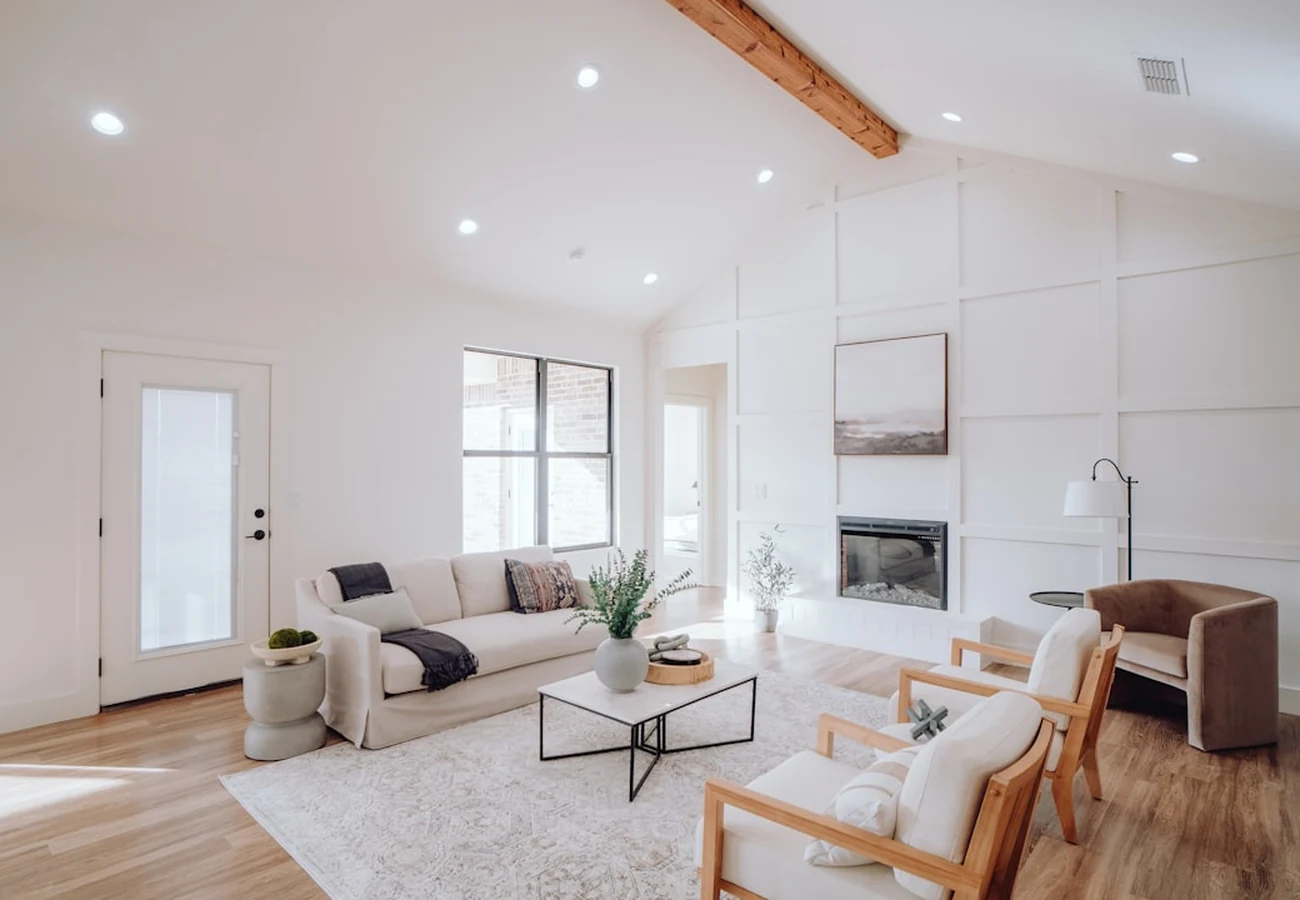
Prepare it
Make the short list of repairs that return more than they cost, and skip everything else. On an older home, consider a pre-listing inspection so surprises surface now, not in the middle of a buyer’s due diligence. Fill out the Seller’s Property Disclosure Statement while details are fresh, and disclose what you know. Homes built before 1978 also need the federal lead-based paint disclosure.

Photograph and list
Photography carries the listing, because most buyers decide from a phone screen before they ever ask to see a house. The listing goes into the MLS and out to the major search sites. For homes on acreage, aerial photos and a marked survey show buyers what they are actually getting, which a front-yard photo never will.
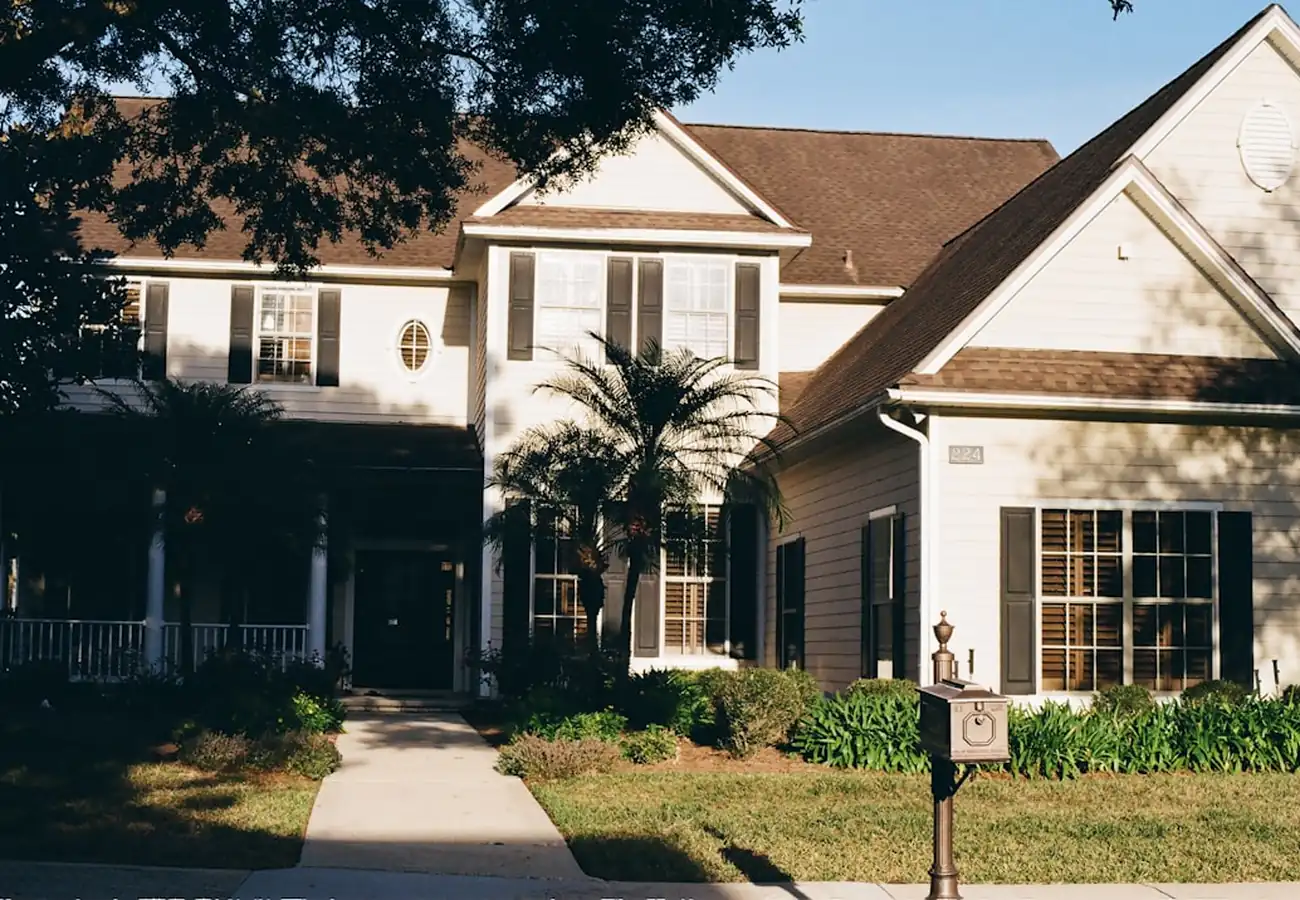
Show it
The first two weeks matter more than the rest combined. Be easy to show during that stretch: say yes to short-notice requests, leave during showings, and keep the house ready. Alicia gathers feedback after each showing, so if something is putting buyers off, you hear about it early.
Offer and inspection
Compare offers on what you net and how certain they are, not just on price. The due diligence period and fee, earnest money, closing date, how the buyer is paying and any requested concessions all count. In Georgia, under contract is not sold. During due diligence the buyer can walk away for any reason. Negotiating repairs is where deals are lost, so decide beforehand what you will fix, what you will credit, and what you will refuse.

Close
A Georgia closing attorney prepares the deed and handles the closing. If you have already moved, ask the attorney early about signing ahead or remotely. Your proceeds arrive by wire, so confirm the wire instructions by phone at a number you already know. Keep your homeowners insurance until the day of closing, then hand over the keys, remotes and codes.
Where the money comes back
Fix
The roof
A roof at end of life will come up in every inspection and every insurance quote a buyer gets. It cannot be avoided, only priced in or fixed.
Paint and trim
The cheapest return in the business. Neutral, clean, everywhere.
The front
Clear the beds, cut the grass, wash the porch. Buyers form the price in their head from the driveway.
Leave
The kitchen
A full renovation almost never returns its cost here. Clean and functional beats new and expensive.
The flooring
Unless it is damaged, leave it. Buyers change flooring to their own taste anyway.
The pool
Adding one before selling is money you will not get back in this market.
Before you list
Start with the number
A valuation costs nothing and commits you to nothing, and it is the only sensible first step.
What comes off the top
The sale price is not what you walk away with, and knowing what you net is part of knowing how to sell your house well. These are the costs a southeast Georgia seller should plan for. Alicia will put your own figures on a net sheet before you list. If you have owned and lived in the home, IRS Publication 523 explains when the gain on the sale is tax-free.
Agent compensation
Set in your listing agreement and negotiable. Whether you offer anything toward the buyer’s agent is a separate decision, made with Alicia.
Georgia transfer tax
A state tax on the deed, customarily paid by the seller, at one dollar per thousand of the sale price.
Attorney and closing fees
Deed preparation and the seller’s share of closing charges.
Property taxes
Prorated to the closing date, so you pay for the part of the year you owned the home.
What is still owed
Anything still owed against the property is paid off at closing, before your proceeds are released.
Repairs and concessions
Whatever you agree to during due diligence, as repairs or as a credit to the buyer.
How to sell your house: the questions sellers ask
What is my house actually worth?
What a ready buyer will pay for it now, supported by recent comparable sales nearby. Online estimates are often off in small towns and on acreage, because there are too few sales for the algorithm to work from. A valuation from someone who sells there gives you a real figure.
How long will it take to sell?
Priced correctly, most serious interest arrives in the first two or three weeks on the market. Houses priced above the comparables sit longer, and small towns and rural property take longer to find the right buyer. Pricing decides the timeline more than anything else.
Should I renovate before listing?
Usually not. Fix what an inspection will flag and what the photos will show, like the roof, paint and the front of the house. Leave kitchens and flooring alone unless they are damaged.
What does it cost me to sell?
Plan for agent compensation, Georgia transfer tax, attorney and closing fees, and prorated property taxes. Add anything still owed on the property and any repairs or credits you agree to. Alicia puts your own figures on a net sheet before you list, so there are no surprises at the table.
Should I sell before I buy?
Selling first gives you certainty and cash in hand, but you may need somewhere to stay in between. Buying first makes your offer depend on a sale, which weakens it. The right order depends on whether you can carry both homes for a while.
What if my house does not sell?
It is almost always price, condition or presentation, in that order. Review showing feedback and new comparables after two or three weeks, not two or three months, and adjust once and decisively. Small, repeated cuts signal a seller who will keep dropping.
I am leaving Hinesville on orders. Should I sell or rent?
Compare both on paper: likely sale proceeds against rent minus management, repairs and vacancy while you are away. If you sell, list before you leave, while you can still handle repairs in person. You can usually sign closing documents from your next duty station.
Should I sell my timber before I sell the land?
Not without an estimate first. A registered forester can tell you what the standing timber is worth, and that figure shapes your price either way. Some sellers harvest first, others sell with the timber included. Alicia can help you weigh both before you list.
Start here
Thinking about
selling
Start with a valuation. No obligation, no listing agreement, just a straight answer on how to sell your house.